Idioms for the moon are expressions that use the moon to describe ideas, emotions, or situations. Instead of speaking in plain words, people use these phrases to add color and depth to their language.
For example, saying “once in a blue moon” sounds far more expressive than simply saying “rarely.” In the same way, these idioms turn simple thoughts into memorable images. Because the moon connects with nature, time, and human emotion, it becomes a perfect symbol in language.
The Moon as a Silent Guardian
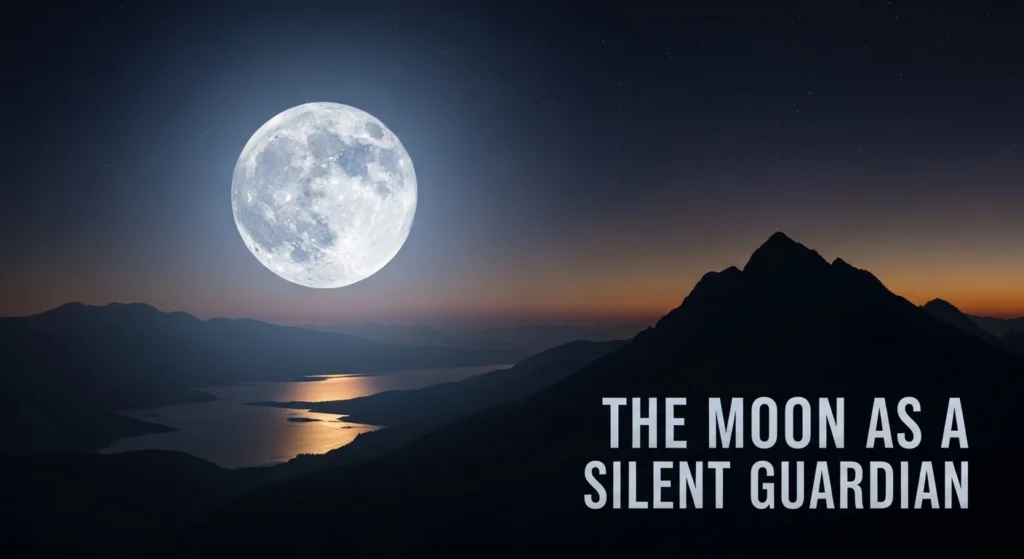
At night, the world becomes darker. However, the moon stays in the sky like a watchful eye.
Meaning: The moon can symbolize protection and quiet guidance.
For example: “The moon stood like a silent guardian above the sleeping city.”
This metaphor suggests comfort. Even when everything feels uncertain, something steady remains above us. In stories, this image often creates peace and safety.
The Moon as a Silver Coin in the Sky
When the moon is full, it sometimes looks round and bright like a coin.
Meaning: It can represent value or something precious.
For instance: “A silver coin hung in the dark sky.”
This image works well in descriptive writing. It paints a clear picture without using complicated words. Moreover, it shows beauty in a simple way.
The Moon as a Lonely Traveler
The moon moves across the sky alone. It does not stay in one place.
Meaning: It can represent loneliness or independence.
Example: “Like a lonely traveler, the moon crossed the silent night.”
This metaphor fits emotional writing. Sometimes people feel alone but still strong. In the same way, the moon shines even when it stands by itself.
The Moon as a Changing Face
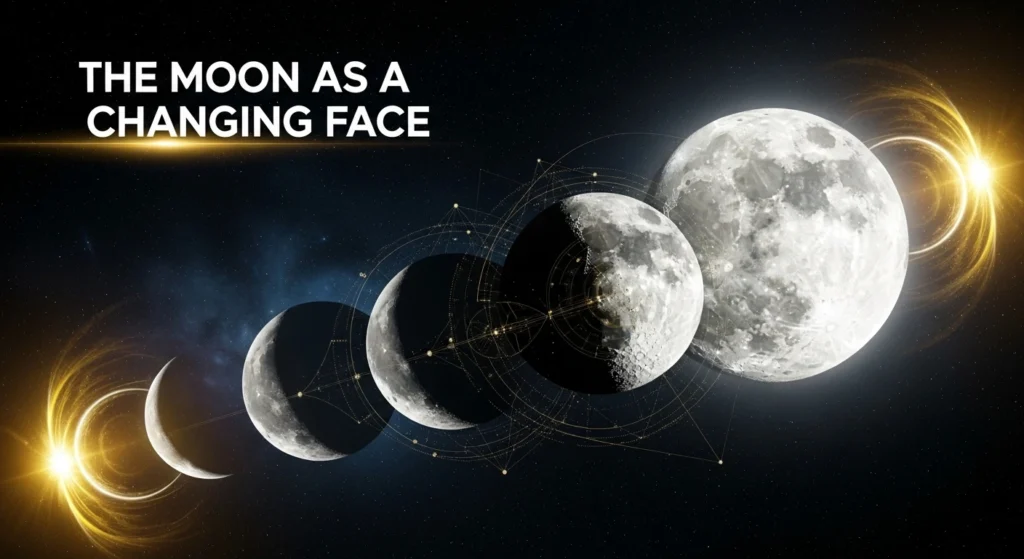
The moon never looks the same every night. It grows, shrinks, and disappears.
Meaning: It represents change and growth.
For example: “Her moods shifted like the changing face of the moon.”
This comparison shows that change is natural. Just as the moon moves through phases, people also move through different emotions and stages in life.
The Moon as a Lamp in the Darkness
When the night feels heavy, the moon provides soft light.
Meaning: It can symbolize hope during difficult times.
Example: “The moon became a gentle lamp in the darkness.”
This metaphor feels warm and comforting. Even though the moon does not shine as brightly as the sun, it still makes the night less frightening.
The Moon as a Mirror of Emotions
Many poets connect the moon with feelings. A calm moon may reflect peace. A hidden moon may reflect sadness.
Meaning: The moon mirrors inner emotions.
For instance: “His sorrow floated beneath the pale moon.”
Because the moon changes shape and brightness, it easily connects with human feelings. As a result, writers often use it in emotional scenes.
The Moon as a Clock of Time
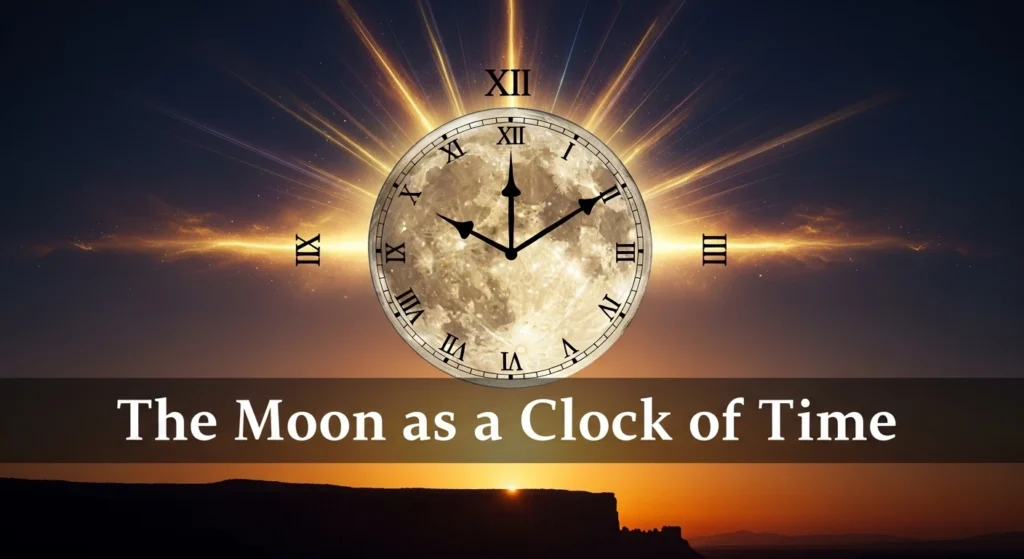
The moon controls tides and marks months. Long ago, people followed lunar calendars.
Meaning: It represents time and natural rhythm.
Example: “The moon ticked like a quiet clock above the ocean.”
This metaphor reminds us that time moves gently but steadily. In addition, it shows how nature keeps its own schedule.
The Moon as a Dream Keeper
At night, many people sleep and dream. The moon appears during this quiet time.
Meaning: It can symbolize imagination and mystery.
For example: “The moon guarded the world of dreams.”
This image feels magical. Therefore, fantasy stories often connect the moon with secrets and imagination.
The Moon as a Fading Memory
Sometimes clouds cover the moon. At other times, it fades at dawn.
Meaning: It can represent memories that slowly disappear.
Example: “The memory faded like the moon at sunrise.”
This comparison feels soft and emotional. It shows loss without using heavy language.
The Moon as a Symbol of Romance
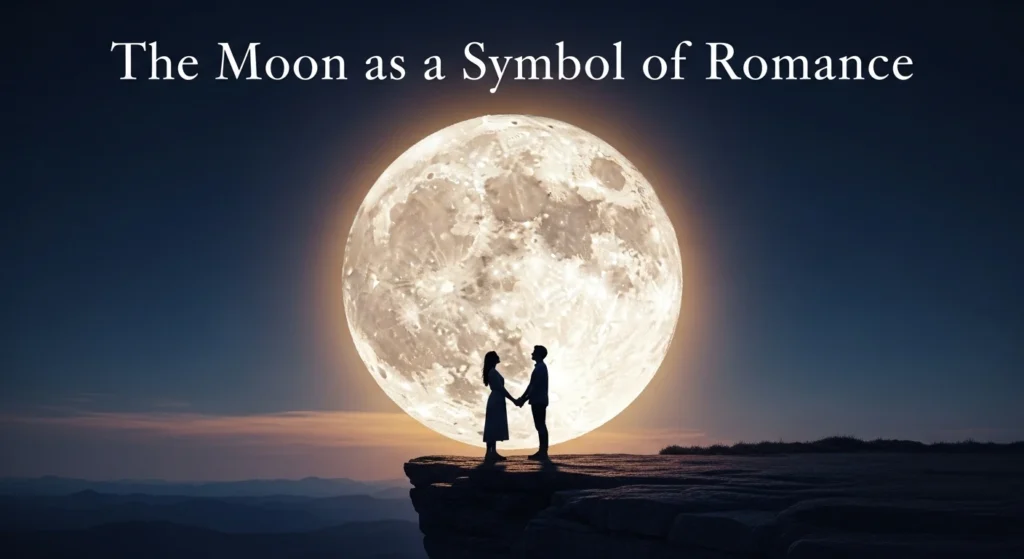
For centuries, couples have walked under moonlight. Because of this, the moon often represents love.
Meaning: It symbolizes romance and gentle affection.
For instance: “Their love glowed like the moon over calm water.”
This metaphor creates a peaceful and beautiful image. It works well in both poetry and storytelling.
Why Writers Use Metaphors for the Moon
The moon is simple to see but powerful in meaning. Unlike complex symbols, it feels natural. Almost everyone has looked at the moon at some point. Therefore, it connects easily with readers.
In addition, the moon changes shape and brightness. Because of that, it can represent many ideas:
- Change
- Mystery
- Calmness
- Loneliness
- Love
- Hope
This flexibility makes it a strong literary image.
How to Use Moon Metaphors in Writing
When you use metaphors for the moon, keep them clear. Do not overload your sentence with too many comparisons. Instead, choose one strong image.
For example:
Weak: “The moon was like a shining, glowing, magical, sparkling ball of bright light.”
Better: “The moon hung like a silver coin in the sky.”
Short images feel stronger. Moreover, simple wording improves readability.
Emotional Impact of Moon Imagery
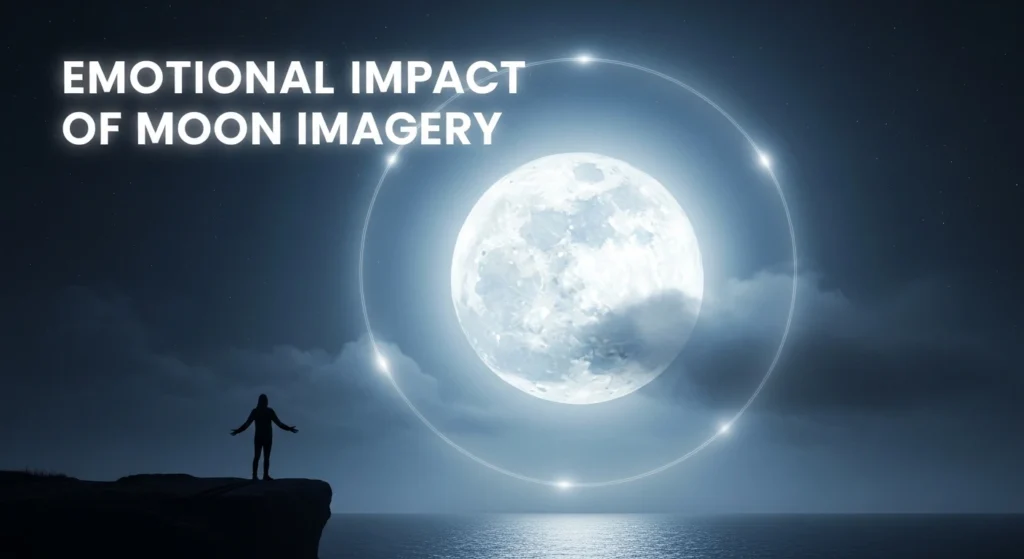
The moon often appears in quiet scenes. Because of this, it creates calm feelings. However, it can also create mystery when clouds hide it.
In stories, placing a character under moonlight often signals reflection. The character may think deeply or face an important moment. As a result, the moon becomes more than just an object in the sky. It becomes part of the mood.
A Moment to Reflect
Think about your own feelings.
Does the moon remind you of peace? Does it remind you of someone far away? Or does it feel mysterious and distant?
Your personal experience shapes the metaphor you choose. Therefore, the meaning may differ from person to person.
Conclusion
The moon has always inspired people to dream, feel, and express. Idioms for the moon carry that same magic into language. They turn simple ideas into vivid expressions, making your words shine with meaning and emotion. When you use these idioms, you do more than speak—you create images, feelings, and connections. So keep practicing, keep exploring, and let your language glow softly, just like the moon in the night sky.
FAQs
Why is the moon often used in metaphors?
Because it is visible, beautiful, and connected with emotion and change.
What does the moon usually symbolize?
It often symbolizes mystery, romance, calmness, and growth.
Can the moon represent sadness?
Yes. A pale or hidden moon can show loneliness or quiet sorrow.
How can I create my own moon metaphor?
Think about how the moon looks to you. Then compare it to something that shares the same feeling or shape.
Can I use moon idioms in daily conversation?
Yes, you can use them in everyday speech, writing, and even social media posts.



