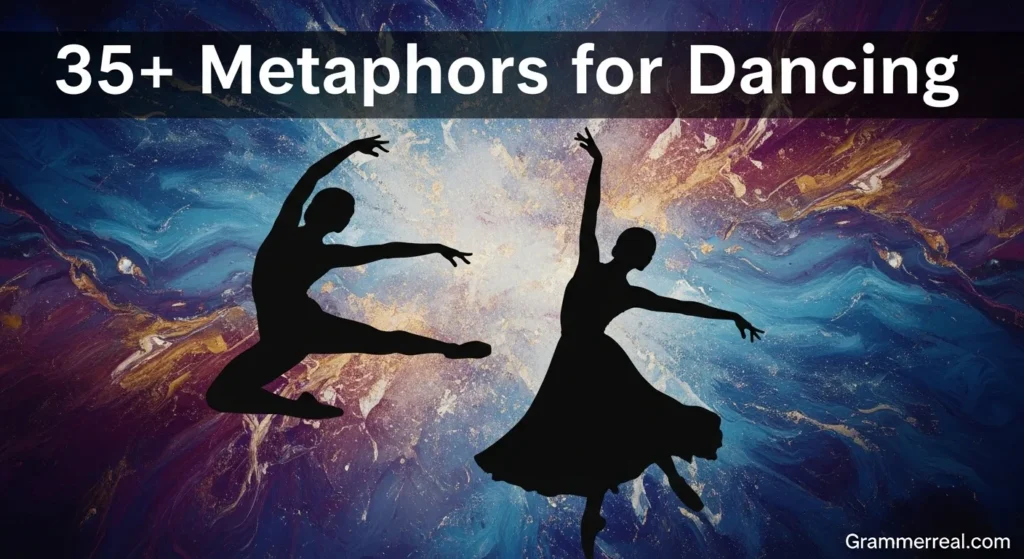
The music hums low, like a secret about to be told. Lights shimmer across the floor, brushing against shoes, skin, and shadows. A heartbeat begins to echo in the chest—slow at first, then quicker, then alive. Feet shift. Shoulders loosen. The air feels thicker, warmer, almost electric. And then, without warning, the body moves.
Dancing is not just movement. It is a language without words, a story without ink, a rhythm that travels through the bones. Yet sometimes, explaining dance feels difficult. How do you describe something that must be felt?
This is where metaphors step in.
Metaphors for dancing help us turn motion into meaning. They allow us to capture emotion, energy, and experience in a way that simple description cannot. Whether you are a writer, a student, a storyteller, or just someone who loves words, learning these metaphors will help you express life more vividly.
So let’s move together—through rhythm, imagination, and language.
Why Metaphors for Dancing Feel So Powerful
Metaphors are bridges between what we see and what we feel. Dance is already expressive, but metaphor makes it unforgettable.
Instead of saying:
“She danced beautifully,”
You can say:
“She danced like moonlight rippling on water.”
Metaphors help because they:
- Create vivid mental images
- Add emotional depth
- Make movement symbolic
- Help readers experience the dance
Dance becomes more than motion—it becomes story.
Dance as a Universal Human Language
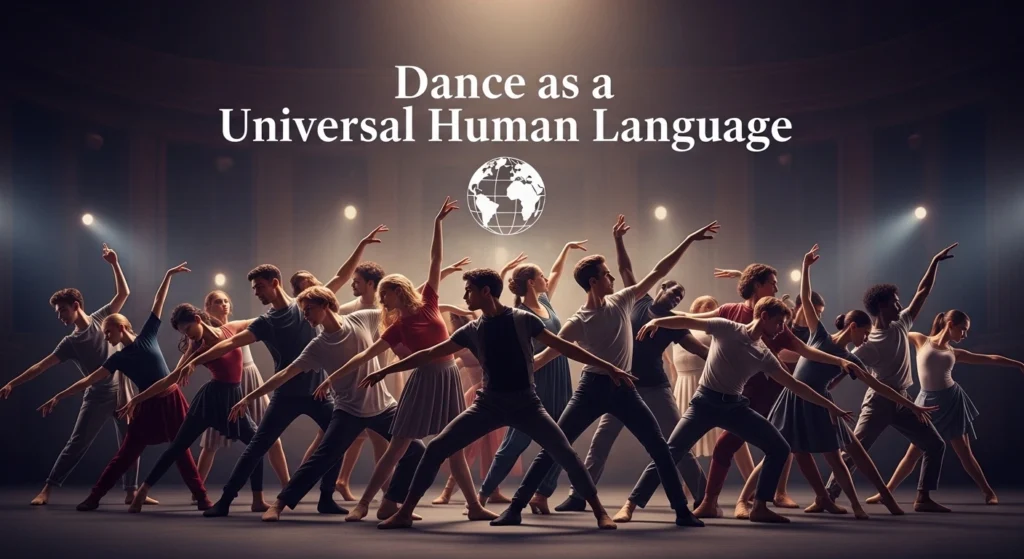
Long before humans wrote poems or novels, they danced.
Dance has always been part of:
- Rituals
- Celebrations
- Courtship
- Grief
- Community
Even today, a dance can communicate what words cannot. A dancer’s body becomes a voice.
Metaphor: “Dance is the soul speaking in silence.”
How Dancing Becomes Poetry in Motion
Poetry depends on rhythm, and so does dance.
Dance feels poetic because it has:
- Flow
- Pause
- Emotion
- Musical structure
A dancer is like a poet writing lines across the air.
Metaphor: “Her dance was a poem written with footsteps.”
The Many Faces of Dancing in Everyday Life
Dance isn’t limited to stages and spotlights.
It lives in:
- Wedding halls
- Street festivals
- Living rooms
- Children spinning in parks
- Friends laughing at parties
Even a small sway while cooking is a kind of dance.
Movement belongs to everyone.
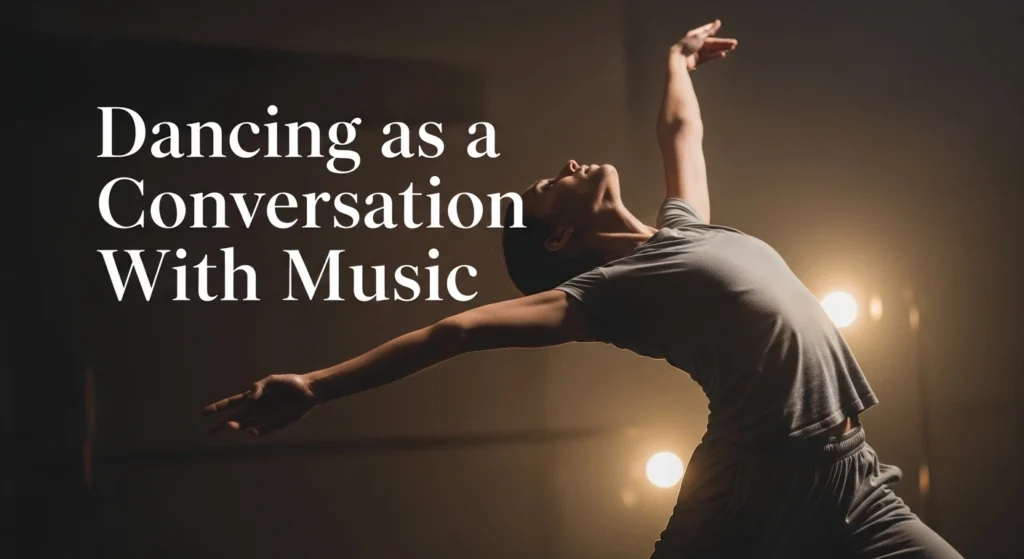
Dancing as a Conversation With Music
Meaning and Explanation
This metaphor suggests dance is like communication. The music speaks first, and the body replies.
It shows:
- Harmony
- Connection
- Emotional expression
Example Sentence
“Her feet held a conversation with the drums, answering each beat with grace.”
Alternative Ways to Express It
- “A dialogue of rhythm”
- “Music translated into movement”
- “Steps that speak back”
Sensory Detail
You can almost hear the dancer’s reply, like a whisper made of motion.
Mini Story
Imagine someone dancing alone at night, letting the melody guide them gently, as if the song understands their heart better than words ever could.
Using This Metaphor in Romantic Writing
Conversation metaphors work beautifully in love scenes:
- “Their dance was a language only they understood.”
- “Every step felt like an answer to his heartbeat.”
It makes dance feel intimate, like shared emotion.
Dancing as Fire in Motion
Meaning and Explanation
Fire represents passion, intensity, and life. Dance can burn with the same energy.
This metaphor suggests:
- Boldness
- Heat
- Power
Example Sentence
“His dance was fire, fierce and bright, impossible to ignore.”
Alternative Ways to Express It
- “A flame of rhythm”
- “Sparks across the floor”
- “Burning with movement”
Sensory Detail
You can almost feel the heat of the performance, the air crackling with energy.
Cultural Reference
Flamenco dancers are often compared to flames—sharp, passionate, alive with sparks of emotion.
When Fire Metaphors Work Best
Fire metaphors fit:
- Intense performances
- Passionate emotions
- Powerful self-expression
Example: “She danced like wildfire, unstoppable and free.”
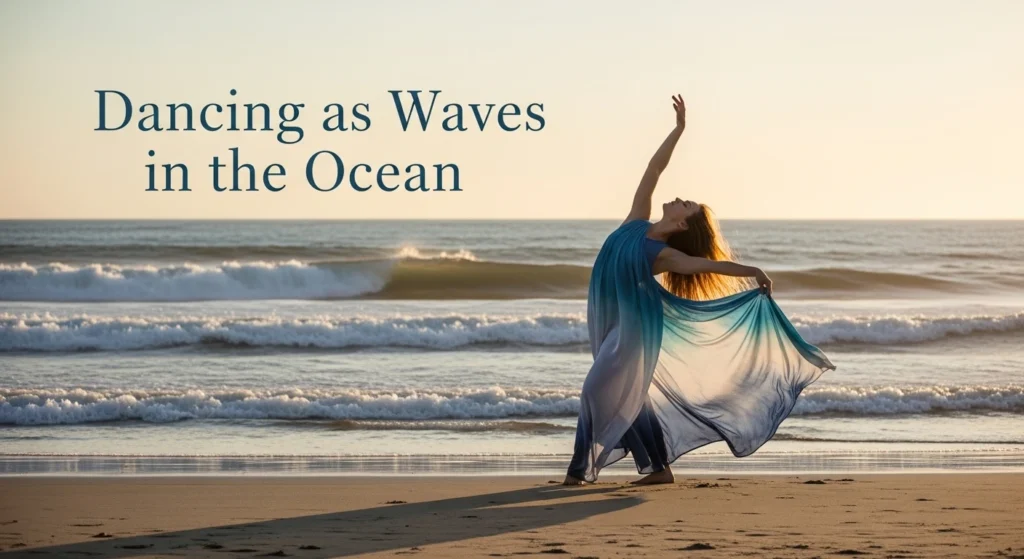
Dancing as Waves in the Ocean
Meaning and Explanation
Dance can flow like water, smooth and endless.
This metaphor reflects:
- Grace
- Fluidity
- Natural rhythm
Example Sentence
“She moved like the sea, rising and falling with the music’s tide.”
Alternative Ways to Express It
- “A tide of motion”
- “Rhythm like water”
- “Flowing like a river”
Sensory Detail
The movement feels cool and calming, like waves brushing the shore.
Mini Story
A ballerina glides across the stage, and the audience feels as though they are watching water become human.
Metaphors for Dancing in Joy
Dance is often happiness made visible.
Metaphors include:
- “Laughter in motion”
- “Joy spilling into the air”
- “A celebration written in steps”
Example Sentence: “The children danced like laughter escaping into sunlight.”
Joy dances naturally.
Metaphors for Dancing in Love
Dance can symbolize romance, trust, closeness.
Metaphors:
- “Two hearts moving as one”
- “A rhythm of affection”
- “Love guided by music”
Mini Scenario: A couple slow-dancing at midnight, holding each other softly, as if the world has disappeared.
Example: “They danced like love had its own heartbeat.”
Metaphors for Dancing in Freedom
Dance often represents release.
Metaphors:
- “Flying without wings”
- “Breaking invisible chains”
- “A soul unbound”
Example Sentence: “She danced like she had escaped gravity.”
Dance becomes liberation.
Dance as Storytelling
Every dance tells a story, even without words.
A dancer can express:
- Struggle
- Triumph
- Longing
- Healing
Metaphor: “Her dance was a story written in air.”
In novels and films, dance often symbolizes transformation.
Creative Practice for Readers
Fill in the blank:
Dancing is like ___ because ___.
Sample Answers:
- Dancing is like flying because it makes the body feel weightless.
- Dancing is like wind because it moves freely and unpredictably.
- Dancing is like a heartbeat because rhythm carries life.
- Dancing is like sunlight because it warms everything it touches.
Example Sentence: “Dancing is like flying because it frees the soul from the ground.”
Ways to Use Dancing Metaphors Daily
You can use them in:
- Poetry
- Journals
- Speeches
- Captions
- Conversations
Caption Ideas:
- “Tonight I’m just a wave in the music.”
- “Let the fire inside move.”
- “My body speaks in rhythm.”
Metaphors make ordinary moments feel artistic.
How to Make Dance Metaphors More Vivid
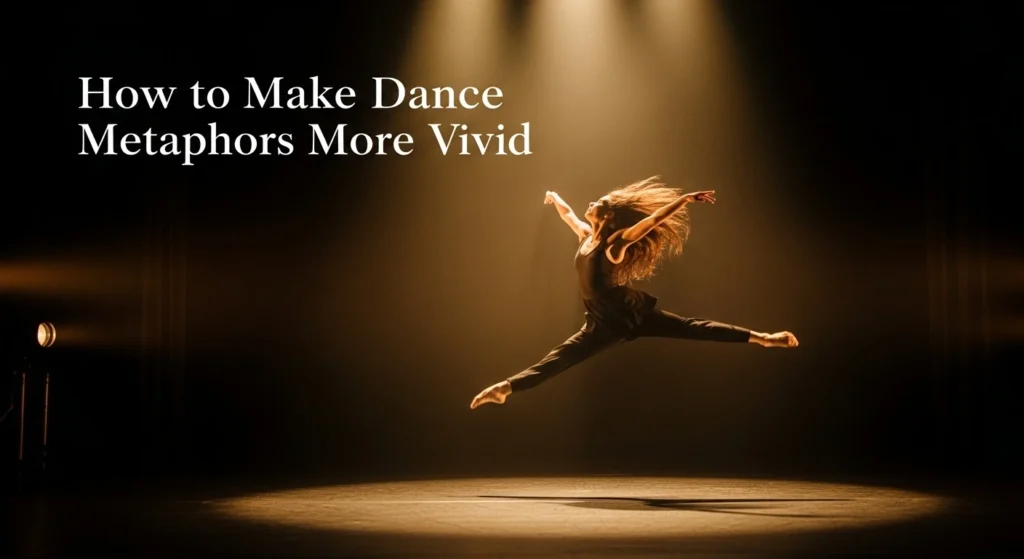
To strengthen metaphors, add sensory layers:
- Sound: drums, heartbeat, violin
- Sight: sparks, shimmer, spinning light
- Emotion: freedom, longing, joy
Example: “She danced like firelight flickering through midnight air.”
Details create magic.
A Creative Prompt
Prompt:
If dancing were an element, what would it be?
Sample Answers:
- Fire: passionate and bold
- Water: flowing and calm
- Air: light and endless
- Earth: strong and grounded
Example Sentence: “Her dance was water, soft but unstoppable.”
Why Metaphors for Dancing Inspire Us
Metaphors remind us that dance is more than entertainment.
Dance is:
- Expression
- Healing
- Connection
- Celebration
- Freedom
To dance is to remind yourself that life is still moving within you.
Conclusion
Metaphors for dancing open a door to richer expression, deeper emotion, and more vivid storytelling. They transform simple movement into something meaningful and unforgettable. Whether you compare dance to fire, water, wind, or time, each metaphor adds a new layer of understanding. As you practice creating your own, you will notice your writing becoming more alive, more engaging, and more powerful. Keep observing, keep imagining, and most importantly, keep expressing. Because just like dance, language grows stronger when it moves freely.
FAQs
1. Why are metaphors useful for describing dance?
They help capture emotion, rhythm, and beauty in a vivid way.
2. What is a strong metaphor for passionate dancing?
Dance as fire is powerful because it shows intensity and energy.
3. Can dancing metaphors be romantic?
Yes, dance often symbolizes love, closeness, and shared rhythm.
4. How do I create my own dancing metaphor?
Think about how dance feels—like waves, flight, fire—and compare it to something familiar.
5. Where can I use metaphors for dancing?
In poetry, stories, speeches, social captions, and everyday creative writing.