The first silver strand appears quietly, like moonlight slipping into a dark room. You notice it in the mirror one morning, tucked between familiar shades of black or brown. The air feels still, almost reverent, as if time itself has paused just long enough for you to recognize its gentle touch. Somewhere in the distance, a clock ticks—not loudly, not urgently—but steadily, like a heartbeat you’ve always had yet never fully heard until now.
Aging arrives like that: soft, steady, and deeply human.
At its core, aging is not just a biological process; it is a story unfolding inside us. However, numbers and years often fail to capture its emotional depth. That’s where metaphors step in. They give shape to something abstract, turning invisible changes into images we can feel, understand, and even appreciate.
When we explore metaphors for aging, we don’t just describe growing older—we learn how to see it differently. Instead of fearing it, we can frame it as growth, transformation, and quiet beauty. And once we shift that perspective, everything changes: our writing becomes richer, our conversations more meaningful, and our inner dialogue far kinder.
What Aging Really Means Beyond Growing Older
Aging means the process of becoming older over time. But beyond years and numbers, it represents:
- Change
- Maturity
- Loss and gain
- Wisdom
- Fragility
- Renewal
Aging can feel beautiful or bittersweet. Metaphors help us show which side we mean.
Why Metaphors Capture Aging So Well
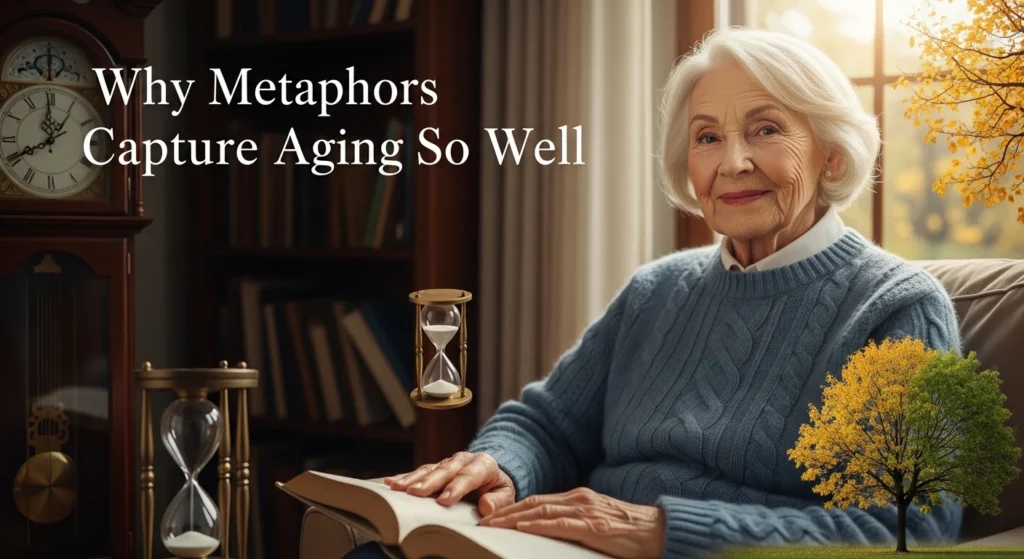
Saying “We are getting older” feels flat.
But when we say:
- Life is a setting sun
- A person is a well-read book
- Time is autumn leaves falling
Suddenly, aging becomes something we can picture. Metaphors give emotion to time.
Aging as a Setting Sun
The sunset is one of the most classic metaphors for aging.
Meaning: Aging is a gradual movement toward evening—calm, reflective, and golden.
Example idea: “His life was a setting sun, glowing softly before night.”
Alternative expressions:
- Evening light
- Golden horizon
- Day slipping into dusk
Sensory detail: Warm colors, quiet skies, a peaceful close.
Aging as Autumn Leaves
Autumn represents transition.
Meaning: Aging is like leaves changing color before they fall.
Example idea: “Her years were autumn leaves—bright, fragile, and beautiful.”
Alternative expressions:
- Season of change
- Falling leaves of time
- Harvest season of life
This metaphor carries both beauty and impermanence.
Aging as a Ripening Fruit
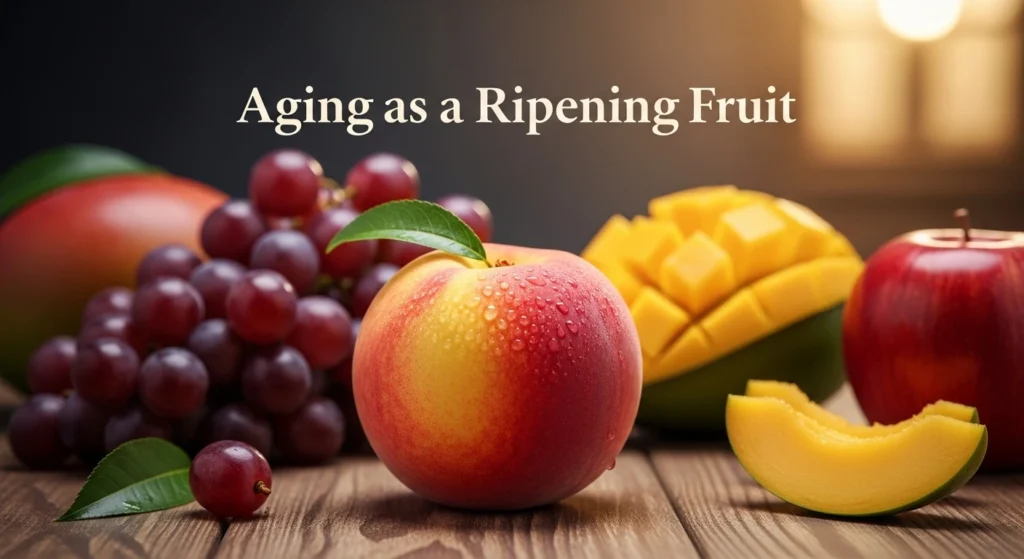
Fruit becomes sweeter as it ripens.
Meaning: Aging brings depth, wisdom, and richness.
Example idea: “He aged like fruit on the vine, growing sweeter with time.”
Alternative expressions:
- Matured flavor
- Sweet with years
- Time-seasoned soul
This metaphor highlights positive growth.
Aging as a Well-Read Book
Books gather meaning with every page.
Meaning: Aging adds stories, lessons, and layers.
Example idea: “She was a well-read book, her pages marked with experience.”
Alternative expressions:
- Pages of memory
- Chapters of wisdom
- Dog-eared with stories
This metaphor feels thoughtful and intellectual.
Aging as a Tree Growing Rings
Trees record time within themselves.
Meaning: Aging adds invisible strength and depth.
Example idea: “He stood like an old oak, rings hidden beneath rough bark.”
Alternative expressions:
- Roots deepening
- Bark weathered by seasons
- Rings of resilience
This metaphor emphasizes endurance.
Aging as a Fading Photograph
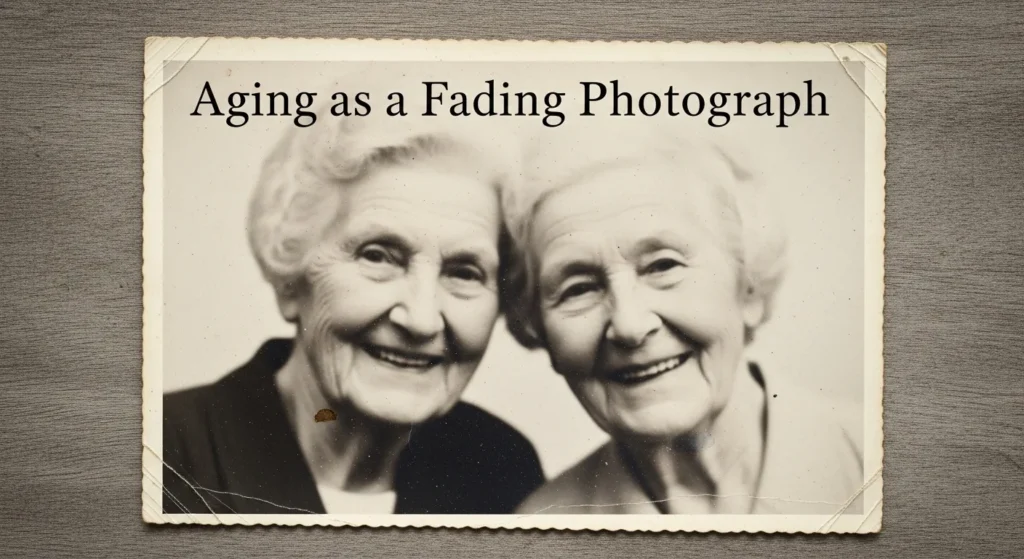
Photographs lose clarity over time.
Meaning: Aging can feel like memories softening or details fading.
Example idea: “Her reflection was a fading photograph of youth.”
Alternative expressions:
- Blurred edges of time
- Colors slowly dimming
- Softened outlines
This metaphor captures nostalgia and fragility.
Aging as a Candle Burning Lower
A candle grows shorter as it burns.
Meaning: Time is limited, and aging marks its quiet passing.
Example idea: “His years were a candle burning lower in the dark.”
Alternative expressions:
- Wax melting
- Flame nearing its end
- Light slowly shrinking
This metaphor can feel solemn and reflective.
Aging as Wine Improving With Time
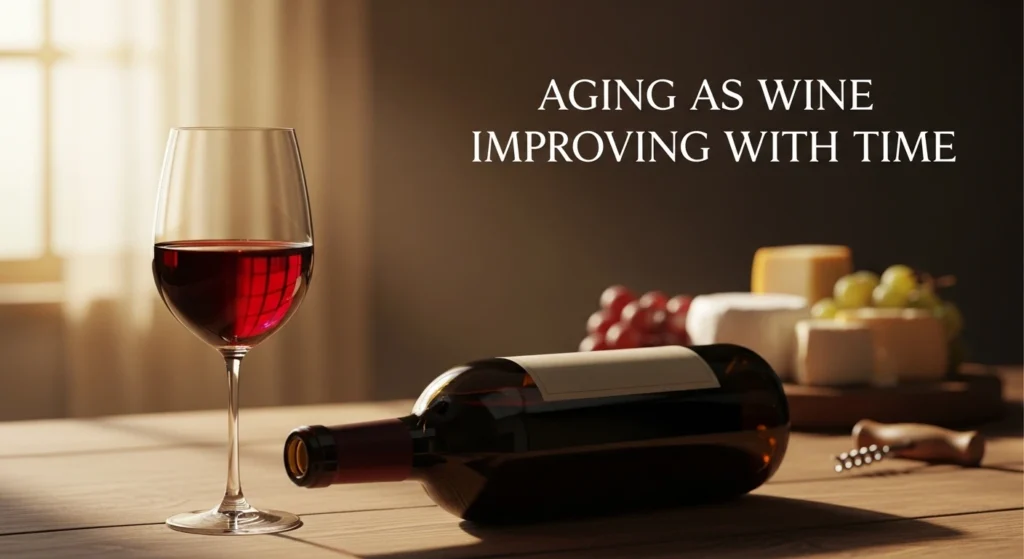
Wine matures and deepens.
Meaning: Aging enhances character and complexity.
Example idea: “She aged like fine wine, richer every year.”
Alternative expressions:
- Vintage spirit
- Time-refined
- Mature bouquet
This metaphor is often positive and celebratory.
When Aging Feels Beautiful
Sometimes aging is:
- A garden blooming in new ways
- A sky turning gold at sunset
- A story reaching its most meaningful chapter
Example idea: “Growing older felt like stepping into golden light.”
Aging here represents growth and fulfillment.
When Aging Feels Frightening
Other times it feels like:
- A clock ticking louder
- A mirror changing unexpectedly
- A winter approaching
Example idea: “Each birthday felt like winter creeping closer.”
Metaphors help express that emotional weight.
Aging in Stories and Culture
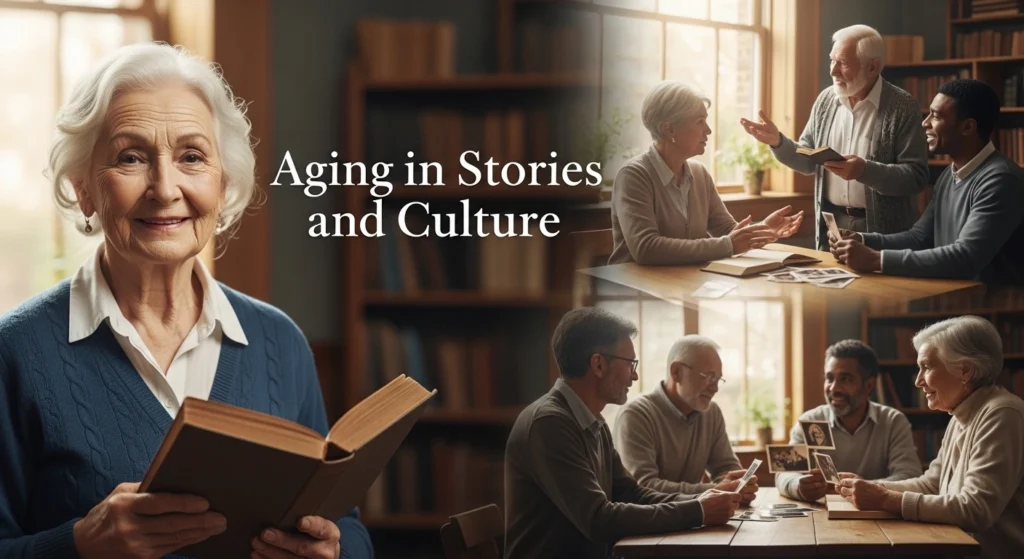
Across literature and culture, aging is often portrayed as wisdom earned through hardship. In many traditions, elders are compared to trees, mountains, or ancient rivers—symbols of endurance and depth.
Stories often use aging to show transformation, humility, or acceptance of time’s flow.
A Creative Exercise
Fill in the blank:
“Aging is like ______ because it ______.”
Sample answers:
- Aging is like autumn because it brings change and beauty.
- Aging is like a tree because it grows stronger at the roots.
- Aging is like wine because it deepens with time.
- Aging is like a sunset because it glows before night.
Now write one full sentence:
Example: “Life is a well-read book, each wrinkle another line of wisdom.”
Using Aging Metaphors in Writing and Daily Life
Metaphors for aging work well in:
- Poetry
- Speeches
- Birthday messages
- Memoirs
- Social media captions
Instead of: “He is getting old.” Try: “He stands like an oak weathered by seasons.”
Instead of: “She has many life experiences.” Try: “She carries chapters that could fill a library.”
These feel warmer and more expressive.
Choosing the Right Metaphor for Your Tone
Some metaphors feel hopeful (wine, ripening fruit, growing tree). Some feel reflective (sunset, autumn leaves) and some feel somber (candle burning low, fading photograph).
Choose one that matches your emotional message.
Conclusion
Aging does not have to feel like something slipping away. Instead, it can feel like something unfolding—layer by layer, moment by moment. Through metaphors, we gain the power to reshape how we see time, experience, and even ourselves.
When we call aging a journey, we embrace movement. When we call it a season, we accept change and when we call it a story, we honor every chapter. These images do more than decorate language—they transform perspective.
So the next time you notice a quiet sign of time passing, pause. Look again. Maybe it isn’t something fading. Maybe it’s something becoming.
FAQs
Why are metaphors for aging useful?
They make the emotional experience of growing older easier to express and understand.
What is the most common metaphor for aging?
The sunset and autumn are very common because they represent gradual change.
Is aging always portrayed negatively in metaphors?
No. Many metaphors highlight wisdom, maturity, and richness.
Which metaphor shows aging as strength?
A tree growing rings is a powerful symbol of endurance and resilience.
How can I create my own aging metaphor?
Think of something that changes slowly over time—seasons, candles, wine, trees—and compare it to the aging experience.



