The air feels thick, almost like it carries whispers of trouble. You hear distant noise—like something falling apart, piece by piece. A faint smell of smoke lingers, and suddenly, your chest tightens. Something is wrong. Something is slipping fast, out of control, and no one seems to be stopping it.
That feeling—that rush of chaos, decline, and helplessness—lives inside the phrase “going to hell in a handbasket.”
We don’t just say it casually. Instead, we use it when things seem to spiral downward quickly and dramatically. Whether it’s a messy situation, a failing plan, or even a society facing turmoil, this idiom paints a vivid picture of rapid decline with no brakes.
And right away, you might wonder: why does this phrase matter so much?
Because language shapes how we see the world. When you understand powerful expressions like this one, you gain sharper ways to describe emotions, situations, and even warnings. You don’t just speak—you paint.
Meaning of Going to Hell in a Handbasket

The idiom going to hell in a handbasket means that something is rapidly moving toward failure, chaos, or serious decline. It describes a situation that seems to be getting worse very quickly.
In simple words, it means things are going very badly.
For example, a person might say:
- The company is going to hell in a handbasket after losing many customers.
- Some people believe the economy is going to hell in a handbasket.
- Without strong leadership, the project may go to hell in a handbasket.
In these examples, the phrase highlights strong concern about a negative direction.
Origin of the Phrase
The exact origin of going to hell in a handbasket is not completely certain. However, historians believe the phrase appeared in American English during the nineteenth century. It became popular in everyday speech because of its vivid imagery.
The expression paints a dramatic picture. A handbasket is a small basket that someone can easily carry. The image suggests a fast and effortless trip to a bad destination. The phrase therefore describes a quick and uncontrolled decline.
Over time, speakers began using the idiom to criticize social problems, economic issues, or personal mistakes. Today, it remains a strong expression that people use when they feel that things are deteriorating quickly.
Literal vs Figurative Meaning
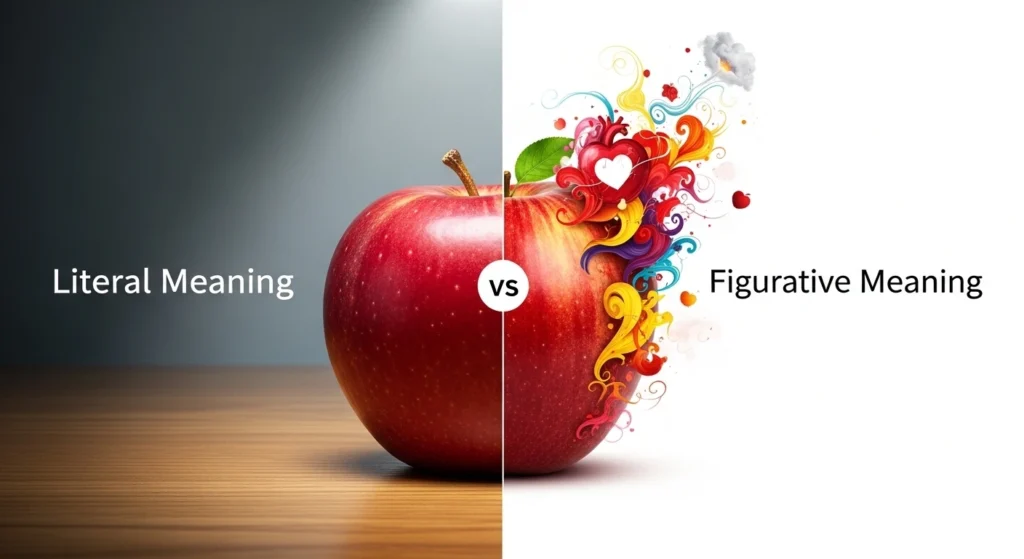
It is important to remember that the phrase is figurative. It does not describe a real journey or a real basket.
Literal meaning would suggest a person traveling somewhere inside a basket. However, the idiom does not work that way. Instead, it symbolically describes negative change.
For example:
- Literal: A basket carries fruit or objects.
- Figurative: A situation is going to hell in a handbasket.
Understanding the figurative meaning helps learners avoid confusion.
Grammar Structure
The idiom usually appears in sentences with the verb go or be going.
Common structure:
Subject + be + going to hell in a handbasket
Examples:
- The plan is going to hell in a handbasket.
- Our system is going to hell in a handbasket.
- Without action, the city is going to hell in a handbasket.
Past tense examples are also possible:
- The business went to hell in a handbasket after poor management.
Future meaning can appear as well:
- If we ignore the problem, the project will go to hell in a handbasket.
These patterns help speakers place the idiom naturally in sentences.
Use in Everyday Conversation
People often use this idiom in informal conversation. It appears when someone feels worried about a negative trend.
For instance, a worker might say that a company is going to hell in a handbasket if management makes bad decisions. A teacher might say the education system is going to hell in a handbasket if standards fall too low.
In these situations, the phrase communicates frustration or concern about decline.
Examples in Daily Life

The idiom can appear in many everyday situations.
Business example:
A company loses employees and customers. A manager may say the organization is going to hell in a handbasket.
Social example:
A person may feel that public behavior is becoming worse and claim society is going to hell in a handbasket.
Personal example:
Someone who ignores responsibilities might feel their life is going to hell in a handbasket.
These examples show that the idiom fits many contexts where decline is visible.
Tone and Emotional Impact
The phrase has a strong emotional tone. It usually expresses worry, frustration, or criticism.
Because of this intensity, speakers should use it carefully. It can sound dramatic or negative. In professional environments, some people may prefer softer expressions.
However, the strong imagery makes the idiom memorable and expressive. It clearly shows that the speaker believes a situation is becoming serious.
Use in American and British English
The idiom appears mainly in American English. It developed in the United States and became part of everyday speech.
British English speakers understand the phrase, but they may use it less often. They might prefer other expressions to describe decline.
Despite this difference, the meaning remains the same in both varieties of English.
Similar Expressions
Several expressions share a similar meaning with going to hell in a handbasket.
Examples include:
- Falling apart
- Heading toward disaster
- Going downhill
- Declining rapidly
- Losing control
Each phrase describes negative change, but the idiom going to hell in a handbasket sounds more dramatic.
Common Contexts for the Idiom
This idiom frequently appears in discussions about:
- Politics
- Business decline
- Social change
- Personal mistakes
- Organizational problems
In each case, the speaker believes that the situation is worsening quickly.
Common Mistakes
Learners sometimes misuse the idiom.
One mistake is changing the structure. The phrase should remain fixed.
Another mistake is using the idiom in formal academic writing. Because it is informal and dramatic, it may sound inappropriate in serious research papers.
A third mistake involves using the idiom without a clear context. Readers should understand what is declining.
When to Avoid the Phrase
Although the idiom is common, it may not suit every situation.
For example, formal reports or academic essays usually avoid strong idioms. Neutral phrases such as “rapid decline” or “serious problems” may sound more professional.
Writers should also avoid overusing the expression because it can make writing sound repetitive or overly dramatic.
Practical Tips for Using the Idiom
Use the phrase when describing clear decline.
Make sure the context shows a negative direction.
Keep the wording fixed to preserve the idiom’s meaning.
Avoid using the phrase too often in one piece of writing.
Consider your audience and choose a neutral phrase if the situation requires a more formal tone.
Sentence Structure and Clarity
Good writing combines clear grammar with proper sentence structure.
Short sentence example:
The company is going to hell in a handbasket.
Longer sentence example:
After several poor decisions and declining sales, the business seems to be going to hell in a handbasket.
Writers should also avoid fragments and run-on sentences.
Fragments lack a complete idea, while run-on sentences combine ideas without proper punctuation.
Clear sentences make idioms easier to understand.
Why Idioms Improve Language Skills

Learning idioms strengthens language fluency. Idioms appear in conversations, stories, and media. They help speakers sound natural and expressive.
Understanding idioms also improves reading comprehension. Many articles, novels, and films include idiomatic expressions.
By studying phrases like going to hell in a handbasket, learners gain insight into cultural language patterns.
Conclusion
At first, “going to hell in a handbasket” feels dramatic, almost exaggerated. However, once you understand its depth, it becomes a powerful tool. It captures the speed of decline, the helplessness of losing control, and the emotional weight of watching something fall apart.
Moreover, when you use this idiom thoughtfully, you do more than describe—you tell a story. You invite your listener to feel the urgency, to see the chaos, and to understand the stakes.
So next time life feels messy or overwhelming, pause for a moment. Ask yourself: is it really falling apart—or does it just feel that way? Because sometimes, naming the chaos helps you regain control.
FAQs
1. What does going to hell in a handbasket mean?
It means a situation is rapidly getting worse or heading toward serious failure.
2. Is the phrase formal or informal?
The idiom is informal and often used in conversation rather than academic writing.
3. Where did the phrase originate?
It likely developed in American English during the nineteenth century.
4. Can the idiom be used in past tense?
Yes. For example: The company went to hell in a handbasket after poor management.
5. What is a simpler alternative?
You can say something is declining rapidly or going downhill.



