A gentle breeze slips through the window, carrying the scent of fresh soil and blooming flowers. Sunlight stretches across the floor like a golden ribbon, warming everything it touches. Birds sing with bright, cheerful notes, as if they have been waiting all winter to be heard. You feel it—not just outside, but inside too. A quiet shift. A soft awakening.
This is spring.
And yet, spring is not only a season. It is a feeling. It is a change and it is a story waiting to be told. That is where metaphors come in. They help us describe this magic in ways simple words cannot.
Spring as a New Chapter Opening After a Long Pause
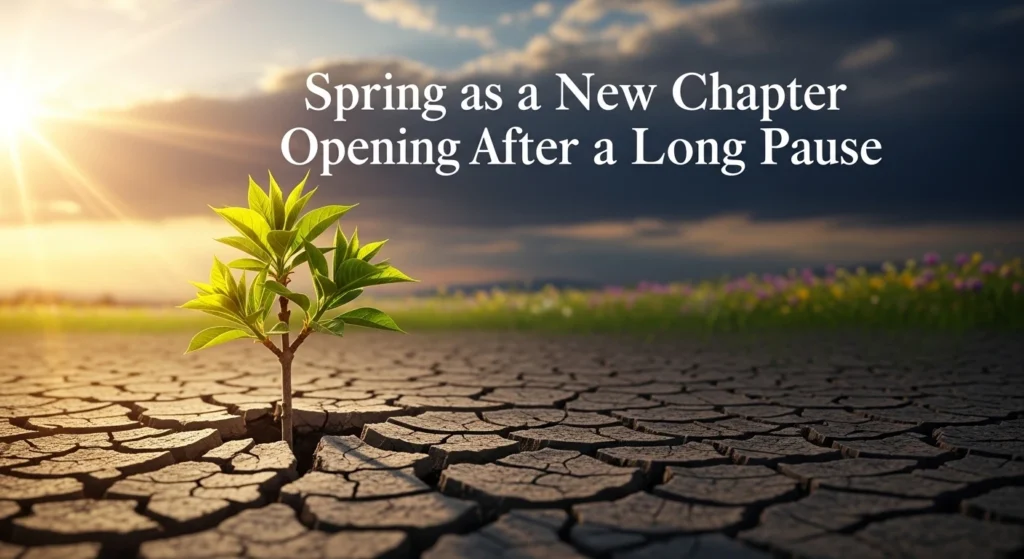
After finishing one chapter of a book, a blank page appears before the next begins.
Meaning: Spring represents a fresh start.
For example: “Life turned a new page with the arrival of spring.”
This metaphor connects spring with opportunity. Just as a new chapter invites new events, spring invites new experiences. In addition, it suggests movement. Winter may feel like a pause. Spring feels like continuation.
Spring as a Painter Bringing Color Back to the World
During winter, many landscapes look gray or dull. Then, slowly, green returns.
Meaning: Spring restores energy and brightness.
For instance: “Spring painted the fields with careful strokes of green.”
This image highlights creativity and life. The season does not rush. Instead, it adds color step by step. As a result, the world feels alive again.
Spring as a Soft Reawakening From Sleep
After a long night, people stretch and open their eyes slowly.
Meaning: Spring symbolizes awakening and awareness.
Example: “The earth stretched like someone waking from deep sleep.”
This metaphor suggests gentle movement. Nothing feels forced. Growth happens naturally, just as waking happens after rest.
Spring as a Door Opening to Possibility
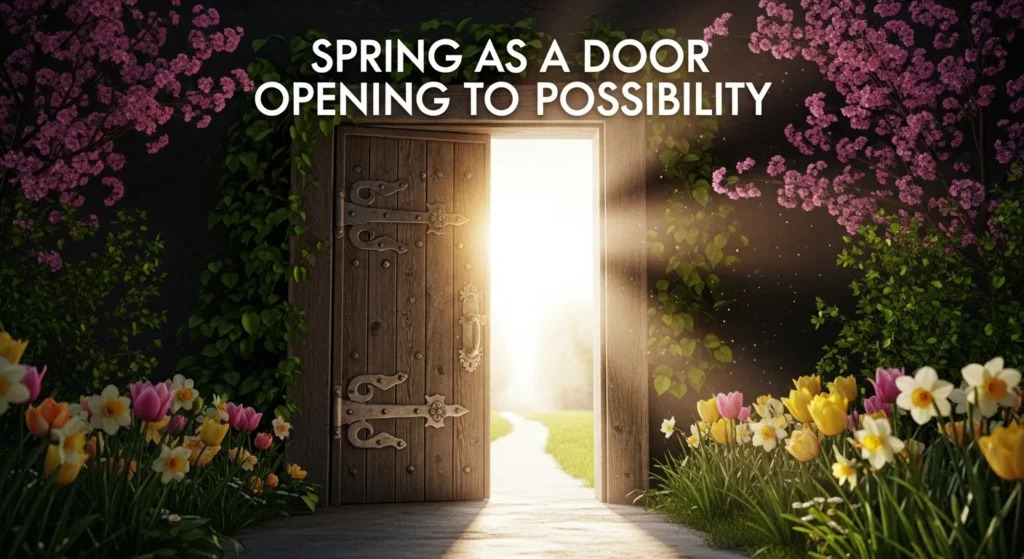
A closed door limits movement. When it opens, new paths appear.
Meaning: Spring represents opportunity.
For example: “The season opened like a door to new dreams.”
This comparison feels hopeful. It shows that even after cold and still moments, something better can begin. Therefore, spring often connects with motivation.
Spring as a Whisper of Hope After Silence
Winter may feel quiet and heavy. Spring brings small sounds—birds singing, leaves moving.
Meaning: Spring symbolizes gentle optimism.
For instance: “Hope whispered through the trees like early spring.”
This image highlights subtle change. Hope does not always shout. Sometimes it grows quietly in small signs.
Spring as a Garden of Second Chances
Flowers bloom again even after fading before.
Meaning: Spring represents renewal and forgiveness.
Example: “The season felt like a garden of second chances.”
This metaphor suggests that endings are not permanent. Just as plants return after winter, people can begin again after mistakes.
Spring as a Rising Breath of Fresh Air
Fresh air feels clean and light.
Meaning: Spring symbolizes relief and clarity.
For example: “The first warm breeze felt like a deep breath.”
This comparison shows emotional release. After cold months, the warmer air feels refreshing. Similarly, new beginnings bring mental clarity.
Spring as a Bridge Between Cold and Warmth
Spring connects winter and summer.
Meaning: It represents transition and balance.
For instance: “Spring stood like a bridge between endings and beginnings.”
This metaphor shows harmony. Change does not happen all at once. Instead, spring eases the shift from cold to warmth.
Spring as a Quiet Celebration of Life
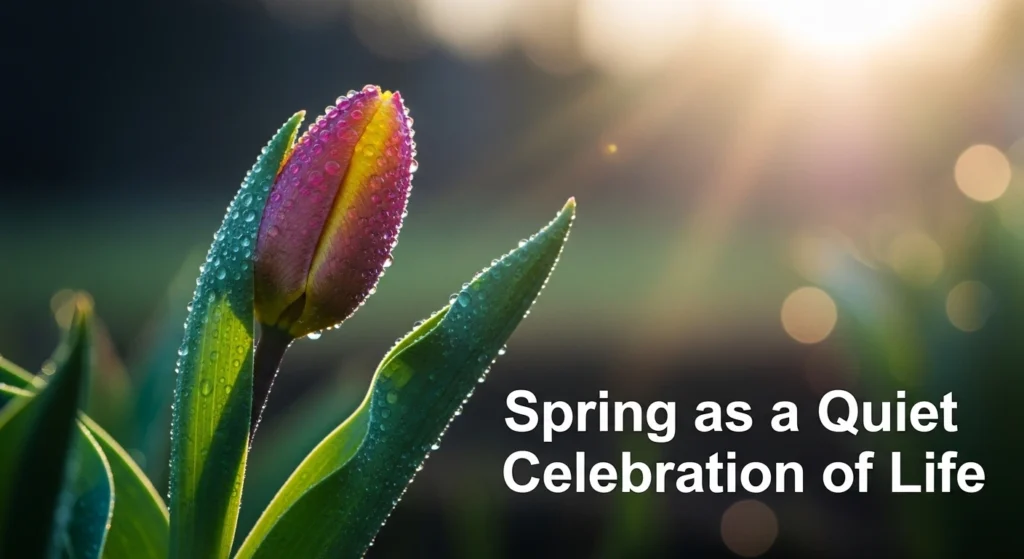
Unlike loud festivals, spring celebrates through subtle growth.
Meaning: Spring represents natural joy.
Example: “Blossoms formed a quiet celebration across the trees.”
This image suggests happiness without noise. The beauty feels simple and sincere.
Why Writers Use Metaphors for Spring
Spring carries clear visual details—flowers, sunlight, gentle rain. Because these images feel familiar, they make writing easy to understand.
Moreover, spring connects with emotional themes like hope, growth, and healing. For example, comparing recovery to spring suggests progress after hardship. Similarly, describing a new relationship as “springtime” implies freshness.
Simple metaphors create emotional connection without complicated explanation.
The Emotional Meaning Behind Spring Imagery
Spring often appears in stories during turning points. A character may start something new. A relationship may grow stronger. Or someone may recover after loss.
Because of this, spring metaphors feel uplifting. However, they also remind readers that growth takes time. Flowers do not bloom in one night. Change happens gradually.
Using Spring Metaphors Clearly
Keep comparisons focused. Choose one strong image.
Weak example: “Spring was like a painter, a door, a bridge, and a breath all together.”
Better example: “Spring opened like a door to fresh beginnings.”
Short sentences and clear images improve readability. In addition, smooth transitions make the ideas flow naturally.
A Moment for Reflection
What does spring mean to you?
Does it feel like a second chance? Does it feel like a quiet awakening? Or does it feel like color returning after gray days?
Your personal experience shapes the metaphor that fits best.
Conclusion
Spring arrives like a quiet promise, filling the world with color, warmth, and new life. Through metaphors, you can capture this beauty in words and feelings that feel real and alive. When you say “spring is a painter” or “spring is a new chapter,” you do more than describe a season—you share an experience. These simple yet powerful expressions help you connect with others, express emotions clearly, and bring creativity into everyday life. As you practice using metaphors for spring, you will notice your writing becoming richer and your thoughts becoming more expressive. So embrace the season, explore its meaning, and let your words bloom just like the world around you.
FAQs
Why is spring often connected with new beginnings?
Because plants bloom again and days grow longer, which naturally suggests renewal.
Can spring represent emotional healing?
Yes. Many writers use spring to show recovery after difficult times.
Is spring always a positive symbol?
Mostly yes, but it can also show change, which may feel uncertain at first.
How can I create my own metaphor for spring?
Think about what changes during spring—color, warmth, light—and compare those changes to an experience in your life.
Can beginners create metaphors easily?
Yes, beginners can create simple metaphors by comparing feelings or ideas with familiar things.
Where can I use spring metaphors?
You can use them in writing, conversations, social media posts, or even personal journaling.
How do I improve my metaphor skills?
Practice daily, observe nature, and try creating new comparisons. Over time, your skills will grow naturally.



