The air feels sharp and clean. A soft hush settles over everything. Snow begins to fall, one quiet flake at a time, covering the ground like a gentle blanket. Trees stand still, their branches dressed in white. Footsteps sound softer. Even the wind seems to whisper instead of shout. In that calm moment, snow feels more than just frozen water. It feels like a story, like a feeling, like a quiet language.
That is where metaphors come in.
A metaphor helps us describe something by comparing it to something else. It adds color to plain words. It turns simple writing into something alive. When we use metaphors for snow, we do more than describe weather. We show emotions, moods, and ideas in a way that people can feel.
So, learning metaphors for snow helps you write better, think deeper, and express yourself more clearly.
Snow as a White Blanket Covering the Earth

When snow falls, it spreads like a blanket over fields, houses, and streets.
Meaning: Snow represents comfort, silence, and protection.
For example: “The village slept under a white blanket of snow.”
This metaphor highlights calmness. A blanket protects from cold and creates warmth. Similarly, snow can make the world feel quiet and peaceful. However, a blanket can also hide what lies beneath. In the same way, snow covers imperfections and details.
Snow as Ashes Falling From a Silent Sky
Sometimes snow drifts down slowly, almost like soft ashes.
Meaning: Snow can represent stillness or emotional emptiness.
For instance: “White flakes fell like ashes from a tired sky.”
This comparison creates a more serious tone. Unlike the warm blanket image, ashes suggest loss or reflection. Therefore, snow metaphors can carry both beauty and sadness depending on context.
Snow as a Blank Page Waiting for Footprints

Fresh snow covers the ground without marks.
Meaning: Snow symbolizes new beginnings and fresh starts.
Example: “The morning snow looked like an untouched page.”
This metaphor feels hopeful. Just as a blank page invites new words, fresh snow invites new steps. It suggests opportunity and possibility. In addition, footprints become stories written across the white surface.
Snow as Cotton Floating From the Clouds
Soft snow sometimes looks light and delicate.
Meaning: Snow can represent gentleness and softness.
For example: “The flakes drifted down like pieces of cotton.”
This image feels calm and peaceful. It shows snow as something almost fragile. As a result, the atmosphere becomes quiet and dreamy.
Snow as a Silent Curtain Dropping on the World
A curtain closes slowly at the end of a play.
Meaning: Snow represents pause and stillness.
For instance: “Snow fell like a curtain closing over the busy city.”
This metaphor shows how snow can slow movement. Traffic decreases. Voices lower. Life pauses briefly. Therefore, snow can symbolize rest.
Snow as Crystals Scattered by the Sky
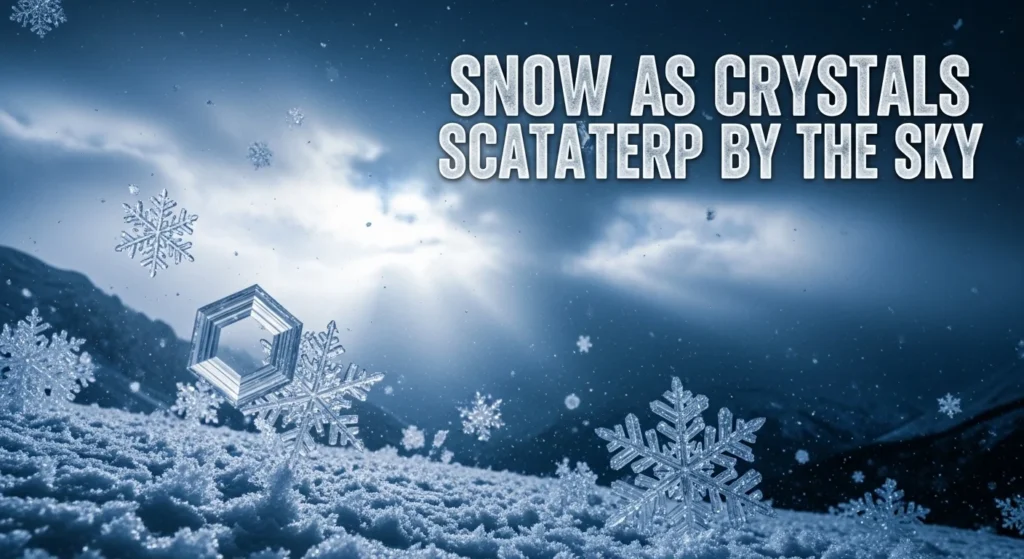
Each snowflake carries a unique shape.
Meaning: Snow represents delicate beauty.
Example: “The sky scattered crystals across the fields.”
This comparison highlights detail and uniqueness. Although snow may look the same from far away, each flake differs. Similarly, beauty often hides in small differences.
Snow as a Cold Whisper Across the Land
Snow does not shout. It arrives softly.
Meaning: Snow symbolizes quiet change.
For example: “Winter whispered through falling snow.”
This metaphor focuses on subtle transformation. Change does not always arrive dramatically. Sometimes it happens gently and slowly.
Snow as Frosted Sugar on the Earth
From a distance, snow can look sweet and decorative.
Meaning: Snow can represent charm and innocence.
For instance: “The rooftops looked dusted with sugar.”
This image feels warm and almost playful. It shows snow in a positive and light way.
Snow as a Mirror Reflecting Light
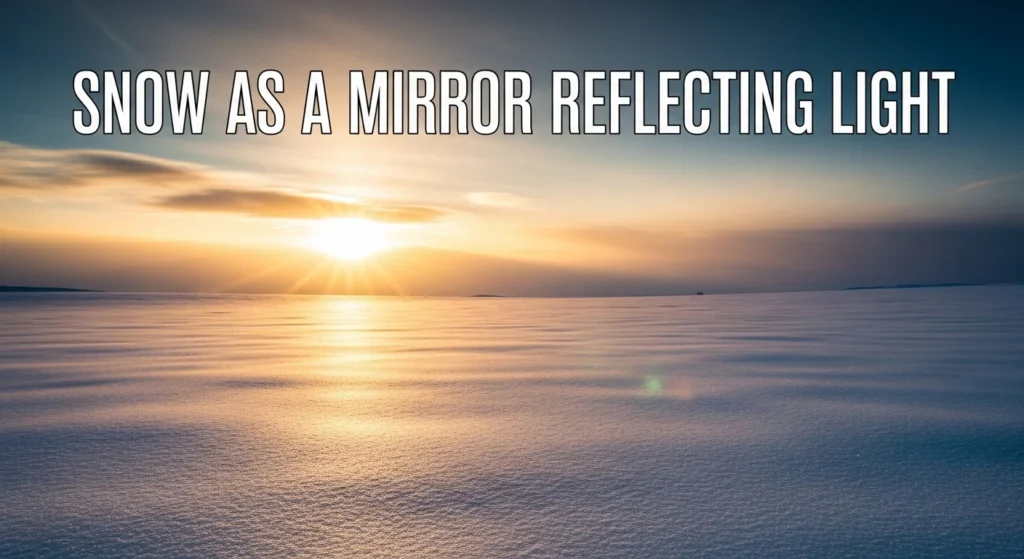
Snow reflects sunlight brightly.
Meaning: Snow symbolizes clarity and reflection.
Example: “The ground shone like a silver mirror.”
This metaphor connects snow with brightness. It also suggests reflection, as winter often brings moments of quiet thinking.
Snow as a Barrier Between Worlds
Heavy snow can block roads and isolate places.
Meaning: Snow can represent separation and distance.
For example: “The storm built walls of white between towns.”
This comparison highlights isolation. While snow can feel peaceful, it can also limit connection. Therefore, snow metaphors sometimes express loneliness.
Why Writers Use Metaphors for Snow
Snow changes landscapes quickly. Because of this visible transformation, it easily connects to emotional shifts. Writers use snow to describe purity, silence, endings, beginnings, and reflection.
For example, describing a quiet moment as “snow-covered” suggests calm. Calling memories “frozen in snow” suggests preservation. These comparisons make writing more expressive.
Moreover, snow carries strong sensory details—cold air, soft flakes, bright light—which strengthen imagery.
The Emotional Layers Behind Snow Imagery

Snow can feel magical, especially during holidays. However, it can also feel cold and distant. This contrast makes snow powerful in literature.
On one hand, snow may symbolize innocence and peace. On the other hand, it may represent isolation or emotional numbness. Because of this dual meaning, writers choose snow carefully depending on tone.
How to Use Snow Metaphors Effectively
Focus on one clear image. Decide whether you want snow to feel peaceful, sad, hopeful, or distant.
Weak example: “Snow was like cotton, a mirror, sugar, and a curtain at once.”
Better example: “Snow fell like a soft curtain over the town.”
Clear comparisons improve understanding. Short sentences also keep readability smooth.
A Moment of Reflection
What does snow remind you of?
Does it feel like a blank page? Does it feel like a quiet blanket? Or does it feel like a wall separating spaces?
Your experience shapes the metaphor that feels most accurate.
Conclusion
Snow falls softly, yet it leaves a deep impression on both the world and our minds. Through metaphors, we turn that simple snowfall into something meaningful, emotional, and alive. When you say “snow is a white blanket” or “snow is a silent song,” you do more than describe a scene—you invite the reader to feel it, to step into it, and to experience it fully. As you continue to practice, you will notice how easily your words begin to flow, how your ideas become clearer, and how your writing starts to shine with creativity. So keep observing, keep imagining, and keep turning simple moments into beautiful expressions, because every snowflake holds a story waiting to be told.
FAQs
How does snow symbolize a fresh start in writing?
Because fresh snowfall covers old marks, it naturally represents renewal and new beginnings.
Can snow represent negative emotions?
Yes. Snow can symbolize loneliness, coldness, or emotional distance depending on context.
Why is snow often linked with silence?
Snow absorbs sound and creates a quiet environment, which makes it a strong symbol of stillness.
What makes snow a powerful image in literature?
Its ability to transform landscapes quickly and carry both beauty and isolation makes it emotionally rich.
Why should I use metaphors for snow in writing?
Metaphors make your writing more vivid, emotional, and engaging. They help readers imagine and feel your words better.
Can beginners easily learn snow metaphors?
Yes, beginners can learn them easily by observing snow and connecting its qualities with simple objects or feelings.
What are some simple snow metaphors?
Examples include “snow is a white blanket,” “snow is a frozen dream,” and “snow is silence falling from the sky.”
How can I practice creating metaphors?
You can practice by describing snow using different senses, writing daily sentences, and completing creative prompts.



