The first thing you notice is the sound. A soft, steady hush, like a whisper that never ends. Then comes the coolness—air that brushes your skin as if it carries secrets from faraway places. You watch the surface shift and shimmer, light dancing across it in broken pieces. Water does not stand still. It breathes, moves, bends, reflects. It speaks without words.
That is why water makes such powerful metaphors.
We use metaphors to understand what we cannot easily explain. When emotions feel too big, when ideas seem too abstract, we reach for something familiar. Water becomes our language. It helps us describe change, calm, chaos, healing, time, and even life itself. In writing and everyday speech, metaphors for water bring depth and feeling. They turn plain sentences into something alive.
So, if you want your words to flow better, to feel richer, to connect more deeply, learning how to use water metaphors is not just helpful—it is essential.
Let’s dive in.
What Water Can Symbolize
Water often represents:
Emotion Flow and movement Adaptability Cleansing Depth Renewal Persistence Life itself
Since the human body depends on water, it naturally connects to survival and vitality. Just as rivers continue forward, life also moves ahead.
Why Water Makes a Powerful Metaphor
Unlike solid objects, water adjusts to its surroundings. It becomes a river in one place and mist in another. It reflects light gently in the morning and swallows storms by night. Because of this flexibility, writers use water to describe feelings that shift and evolve.
When someone says, “I feel overwhelmed,” the image becomes stronger if they say, “I’m drowning.” Immediately, the emotion feels heavier and more vivid. Water metaphors create depth without long explanation.
Water as Emotion
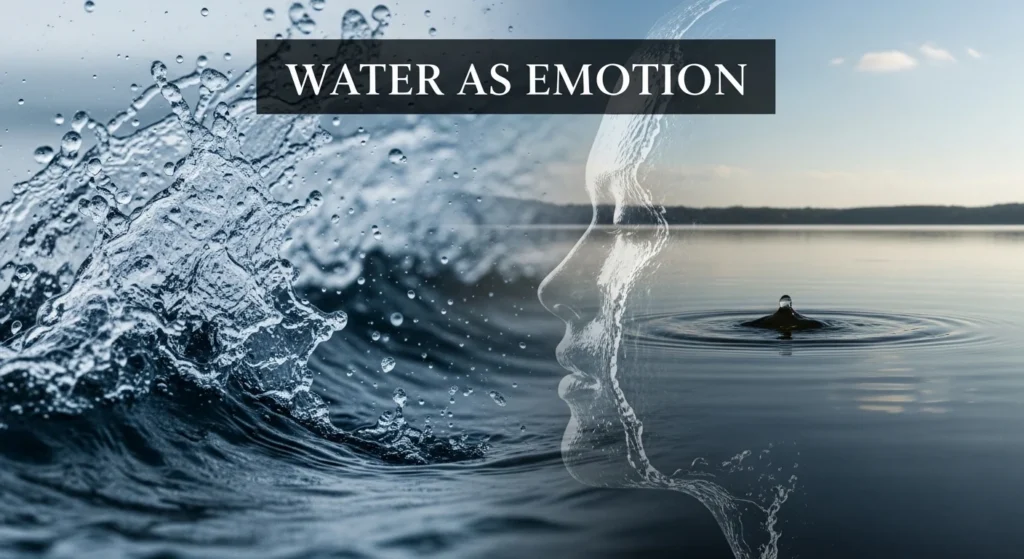
Emotions often rise and fall like tides.
Meaning: Water symbolizes feelings that move through us.
Example idea: “Sadness washed over him like a cold wave.”
This image suggests emotion arriving suddenly and fully.
Water as Flow
A river does not fight every stone in its path. It curves around obstacles and continues forward.
Meaning: Water represents steady progress and natural movement.
Example idea: “Her career flowed like a river finding its way.”
This metaphor highlights smooth advancement.
Water as Strength
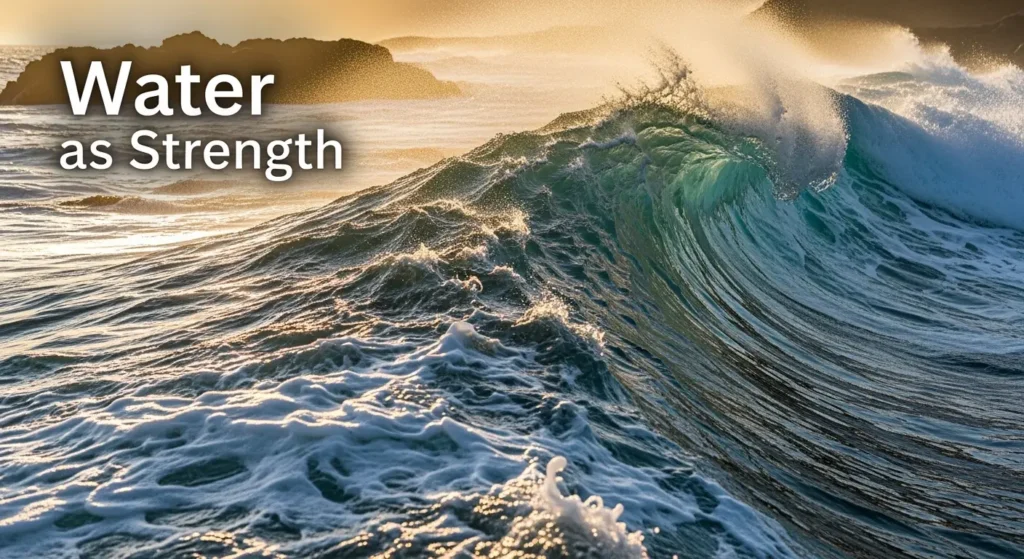
Although water seems soft, it shapes mountains over time.
Meaning: Water can symbolize quiet but lasting power.
Example idea: “His patience worked like water against stone.”
Here, water reflects endurance.
Water as Cleansing
Rain washes dust from the air. Rivers carry away debris.
Meaning: Water often represents renewal or emotional release.
Example idea: “Tears became rain that cleaned her heart.”
This metaphor suggests healing.
Water as Depth
The surface of water may look calm, yet deep currents move underneath.
Meaning: Water can symbolize hidden thoughts or deep personality.
Example idea: “She had an ocean beneath her silence.”
This image conveys emotional depth.
Water as Change
Water shifts from ice to liquid to vapor.
Meaning: It represents transformation and flexibility.
Example idea: “He adapted like water taking a new shape.”
This metaphor highlights resilience.
Water as Life
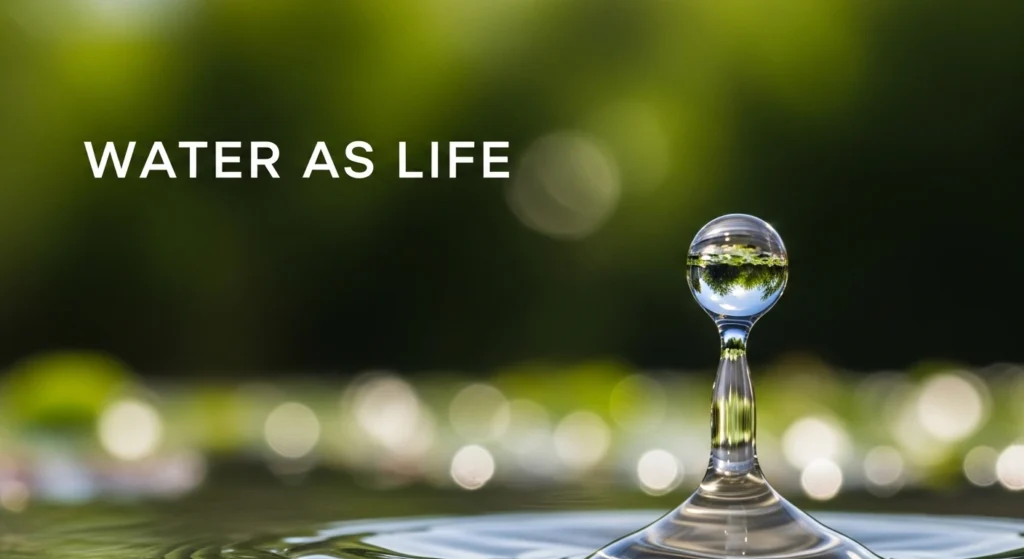
Every living thing depends on it.
Meaning: Water symbolizes nourishment and survival.
Example idea: “Hope was water in the desert of his doubt.”
This image emphasizes necessity.
When Water Feels Calm
Sometimes water feels like:
A still lake at sunrise Soft rain tapping on glass A gentle stream moving quietly
In these moments, water reflects peace and balance.
When Water Feels Intense
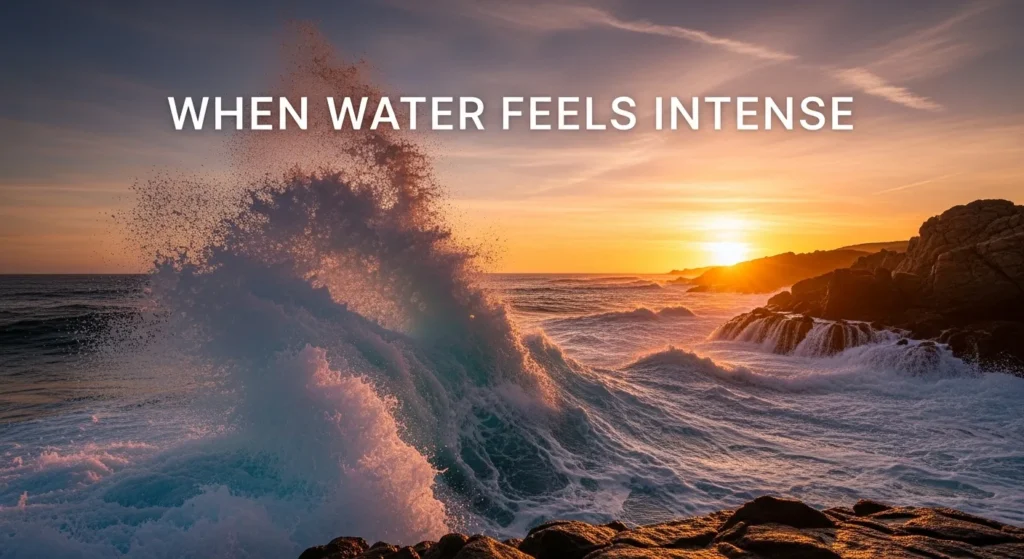
At other times, water feels like:
Waves crashing against cliffs A flood rising too quickly A stormy sea without direction
Here, water represents emotional overwhelm or dramatic change.
How Writers Use Water Metaphors
In literature and everyday speech, water often shapes mood. Calm water creates a peaceful scene. Rough water signals conflict or tension. Because water carries both softness and force, it allows writers to show contrast without directly naming emotions.
Even short phrases like “test the waters” or “make waves” show how deeply water imagery lives in language.
A Small Reflection Exercise
Pause for a moment and ask yourself:
“If my current life stage were water, what would it look like?”
Perhaps it feels like a steady river moving forward. Maybe it resembles a restless sea. It could even feel like light rain after a long drought. Choose the image that feels honest, and build your metaphor from there.
Using Water Metaphors in Daily Language
Instead of saying, “I feel calm,” you might say, “My mind is a quiet lake today.” Instead of saying, “I’m overwhelmed,” you could say, “I feel like I’m caught in a flood.”
These images make simple emotions more expressive and relatable.
Conclusion
Water never forces its way forward—it finds a path. Your writing can do the same.
When you use water metaphors, you bring movement into your words. You add feeling, rhythm, and life. You turn simple ideas into something deeper and more vivid.
So next time you write or speak, think of water. Let your thoughts flow like a river. Let your calm settle like a lake. And when emotions rise, let them crash like waves—but always return to stillness.
Because just like water, your words have the power to shape, soften, and transform everything they touch..
FAQs
Why is water such a common metaphor?
Water connects to life, emotion, and change, which makes it easy to relate to human experience.
Does water always symbolize calmness?
Not at all. While it can represent peace, it also symbolizes chaos, power, and emotional intensity.
What does “going with the flow” mean?
It suggests accepting situations naturally instead of resisting them.
Can water represent strength even though it is soft?
Yes. Over time, water shapes rock and landscapes, which makes it a symbol of quiet but powerful persistence.
How can I create a personal water metaphor?
Notice how your current situation feels. If it feels steady, compare it to a flowing river. If it feels uncertain, imagine shifting tides. Choose the image that truly matches your experience.



